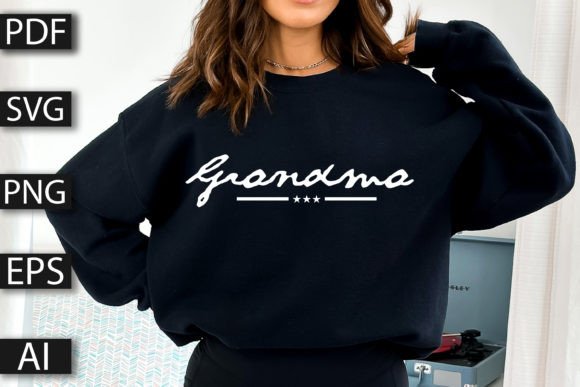
Grandma SVG Design
A Warm, Thoughtful Silhouette — Not Just Another Family Graphic
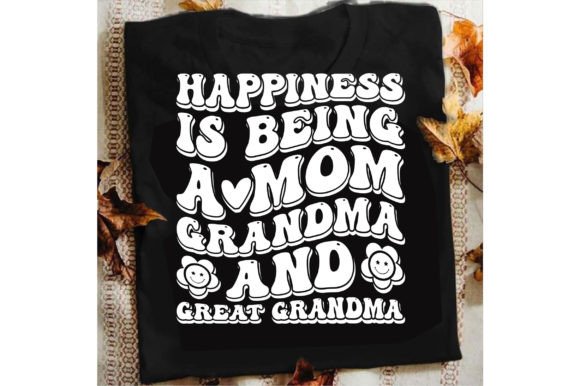
First glance at the Grandma SVG Design lands softly—not with boldness, but with quiet resonance. It’s a gentle, centered composition: a seated or standing grandmother figure, arms open or hands folded, often with subtle floral or heart motifs woven into the outline. No exaggerated caricature, no cutesy cartoon tropes—just dignified warmth. That matters. When you’re stitching this onto a linen tea towel for a baby shower gift or embroidering it onto a cotton apron for a boutique kitchen line, mood carries weight. Customers don’t just buy a shape—they buy the feeling it evokes: comfort, legacy, intergenerational love. This design leans into that without sentimentality.
Where It Shines in Real Embroidery Projects
I used the Grandma SVG Design last week on a custom unisex sweatshirt for a local craft fair—navy fleece, medium-weight tear-away stabilizer, 40-weight rayon thread. The result? Clean satin-stitched outlines and soft fill-stitch areas held beautifully. No puckering, no skipped stitches. That tells me the vector paths are well-constructed: smooth curves, consistent stroke weight, no micro-gaps or overlapping nodes that trip up embroidery digitizing software. It translated cleanly from SVG to machine embroidery file without distortion.
It works especially well for projects where storytelling matters more than flash: embroidered pillow covers for nursery decor, lightweight cotton tote bags for senior center fundraisers, or even minimalist patches sewn onto denim jackets. As a tote bag design, it reads clearly at 3.5 inches wide. As a sweatshirt embroidery piece centered on the chest, it feels intentional—not oversized, not lost. For baby embroidery, I resized it down to 2.75 inches on a onesie; the key features (face contour, gentle posture) remained legible after stitching, thanks to its open negative space and moderate detail level.
Where Caution Is Needed
This isn’t a one-size-fits-all machine embroidery design. Its graceful lines rely on clarity—and clarity fades fast on challenging substrates. On thin, stretchy fabric like jersey t-shirts? Add cut-away stabilizer *beneath* and a light topping. On dark fabric? Test your thread colors first—the design includes no built-in shadow or highlight layers, so contrast is your responsibility. On curved surfaces like caps? Avoid placing it across the crown seam unless you’re using a cap frame and have confirmed hoop size compatibility. The design’s gentle curves can distort if hooped too tightly or stitched too densely.
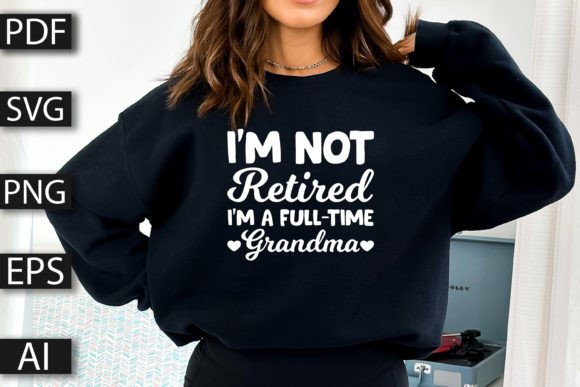
Also note: while the Grandma SVG Design includes an EPS editable file and PNG transparent version, none of the formats listed—SVG, PDF, JPEG, PNG, EPS—indicate whether it’s pre-digitized for embroidery machines. If you’re planning commercial embroidery or selling finished products, verify whether this is a raw vector graphic (requiring digitizing) or a ready-to-stitch embroidery file. That distinction changes everything for production speed, stitch density control, and thread management.
What It Adds to Your Handmade Product — and What It Doesn’t
This design elevates perceived value because it feels handmade *in intention*, not just execution. A customer seeing it on an apron knows it wasn’t pulled from a clipart library—it has rhythm, proportion, and emotional weight. That builds trust, especially for Etsy sellers and small shop owners curating meaningful collections. It supports brand consistency when paired with complementary family-themed assets (Mom, Dad, Son, Daughter files referenced in the description), letting you build cohesive product lines—holiday embroidery sets, personalized gift bundles, or nursery decor suites.
But it won’t carry weak execution. Poorly stabilized fabric, mismatched thread colors, or rushed hooping will mute its warmth. And while it’s versatile across categories—custom apparel, embroidered patch, holiday embroidery—it doesn’t lend itself to high-detail applications like tiny lettering or intricate lace-like fill patterns. It’s a statement silhouette, not a decorative border.
Practical Designer Notes Before You Stitch
- Always test on scrap fabric first—especially if using textured weaves or blends. Linen, canvas, and terry cloth behave differently under needle and thread.
- Check thread color contrast on both light and dark backgrounds. A warm taupe thread might glow on oatmeal cotton but disappear on charcoal.
- Review stitch density if digitizing yourself. Too dense in the fill areas = stiffness and fabric distortion; too sparse = loss of form.
- Confirm hoop size before final placement—this design scales well, but avoid stretching it beyond 4.5 inches unless you’ve verified stitch integrity at that size.
- Inspect small details in the vector file: are inner eyes or hand contours clean and closed? Are there stray anchor points that could cause glitches during conversion?
- Test black-and-white mockups—many buyers preview digitally before purchasing. Does the shape read clearly without color cues?
- Use proper stabilizer for your fabric type and end use. A kitchen towel meant for daily washing needs more support than a framed nursery print.
- Confirm licensing before selling finished items or digital products. The description mentions “A” at the end—verify what that refers to (e.g., commercial license, personal use only, attribution required).
Final Thought: A Design That Serves the Story
The Grandma SVG Design isn’t flashy—but then, grandmothers rarely are. Its strength lies in quiet authenticity. It fits naturally into thoughtful product ecosystems: a handmade product line rooted in family, a boutique’s seasonal holiday embroidery collection, or an Etsy seller’s curated set of graphics for sentimental gifting. Used with care—on appropriate fabric, with mindful digitizing and testing—it becomes more than decoration. It becomes a quiet nod to continuity. And in today’s market, that kind of resonance sells—not just once, but across generations.