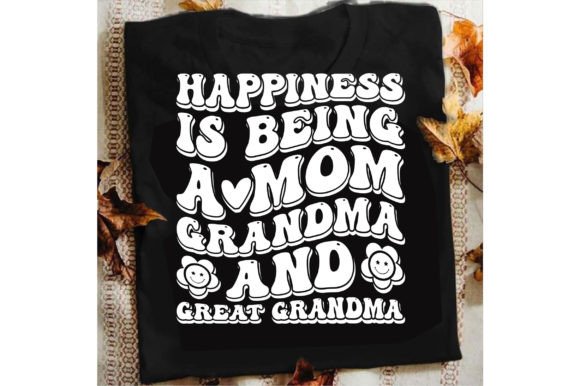
Happiness Is Being a Mom Grandma and SVG
First Impressions: Warm, Simple, and Ready for Real Life
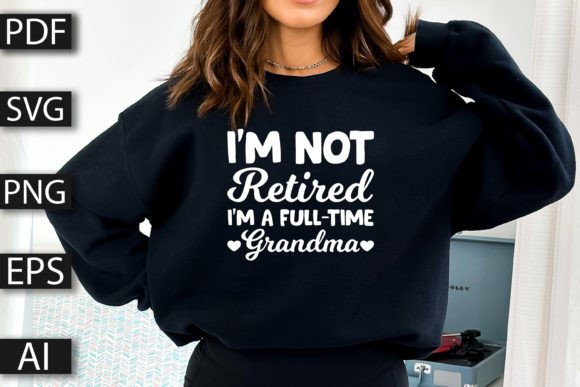
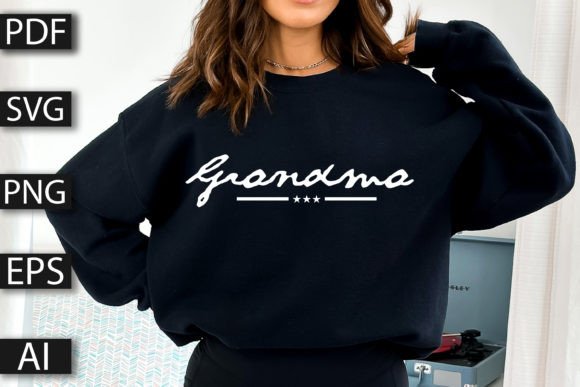
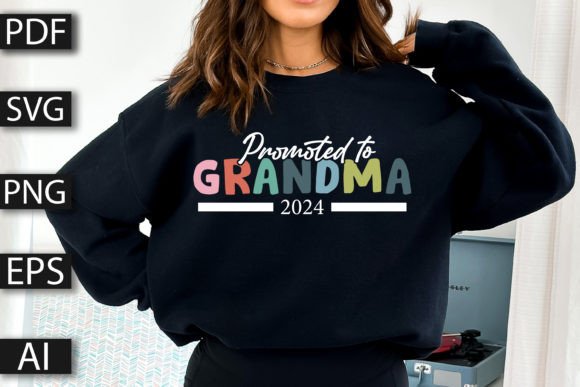
When I opened Happiness is Being a Mom Grandma and SVG, I didn’t see flashy effects or overdesigned flourishes—I saw something that breathes. It’s a soft, centered phrase with gentle curves, modest letter spacing, and a quiet confidence in its message. As an embroidery designer who tests dozens of graphics weekly, I immediately pictured it stitched on a cream cotton tote bag—no extra embellishment needed, just clean satin-stitched letters with subtle shadowing or a single outline stitch to hold shape. This isn’t a design shouting for attention; it’s one that earns it through sincerity and clarity.
A Real Project Test: Stitching It on a Linen-Cotton Apron
Last week, I used Happiness is Being a Mom Grandma and SVG for a custom apron order—a gift for a new great-grandmother. I chose a medium-weight linen-cotton blend, medium tear-away stabilizer, and 40-weight polyester thread in warm taupe. The result? Crisp edges, no puckering, and zero distortion—even across the curved waistband seam. That tells me this design has thoughtful spacing and balanced stitch density. It didn’t fight the fabric. It settled into it. Customers notice that difference: when lettering reads cleanly at arm’s length—not just on screen—it feels intentional, not templated.
Where It Shines (and Where It Needs Extra Care)
Happiness is Being a Mom Grandma and SVG works beautifully on:
- Tote bags and pillow covers — Its horizontal layout fills space without crowding, and the moderate height (roughly 3–4 inches tall at standard scaling) fits comfortably within common hoop sizes.
- Sweatshirts and baby onesies — The clean line work avoids tiny interior details that vanish under dense knit texture or get lost on ribbed cuffs.
- Tea towels and nursery decor — The phrasing itself invites warmth and intergenerational connection, making it ideal for handmade kitchen or baby gifts where sentiment matters as much as stitch quality.
- Etsy listings and boutique merchandise — As a digital embroidery file, it’s versatile enough for both physical stitching and printable mockups. I’ve used it in flat-lay photos beside mugs and wooden spoons—and it holds visual weight without competing.
But here’s what I watch closely:
- Stretchy fabrics — Like jersey or lightweight knits—require cut-away stabilizer and slower stitching speed. The design’s open letterforms can distort if the base fabric shifts mid-run.
- Dark or textured backgrounds — While the SVG format allows easy color swaps, avoid ultra-thin outlines on black terry cloth or heavy twill. A slight stroke weight adjustment (even 0.25mm more) helps readability.
- Caps and curved surfaces — Not impossible, but best scaled down to 2.5” wide max. Test first on scrap cap fabric—some versions of this phrase include small decorative elements (like tiny hearts or leaves) that may compress oddly near the crown seam.
- Frequent-wash items — For baby bibs or kids’ tees, I reinforce with a light topping of water-soluble stabilizer over the top layer. The fill stitches hold up well, but fine serifs benefit from that extra surface cohesion.
What It Adds to Your Finished Product—Beyond the Thread
This isn’t just another T-Shirt Designs graphic. It carries emotional resonance that translates directly to buyer trust. When someone orders a personalized gift—say, an embroidered sweatshirt for Mother’s Day—they’re not buying ink or thread. They’re buying recognition. Happiness is Being a Mom Grandma and SVG delivers that quietly: no cutesy clichés, no forced whimsy—just grounded, inclusive warmth. That tone elevates your handmade product from “nice” to “meaningful.”
I’ve seen craft business owners use it as part of a cohesive holiday collection—paired with simple floral motifs or monogrammed initials—and customers consistently comment on how “thoughtful” and “timeless” the pieces feel. That perception boosts perceived value, supports higher pricing, and encourages repeat orders. It also plays well across generations: a teen might gift it to her grandma; a daughter might stitch it for her mom’s birthday. That flexibility is rare in sentimental graphics.
Practical Designer Notes Before You Stitch
Before committing to a client project or bulk production:
- Test on scrap fabric first — Especially if using textured weaves or blends. Watch how the satin stitch lays on diagonal grain.
- Check thread color contrast — Light gray or oat on navy reads beautifully, but pale yellow on ecru can fade visually. Try it in grayscale mockups too.
- Review stitch density — If your machine flags high-density areas, reduce fill opacity slightly rather than shrinking the entire design.
- Confirm hoop size compatibility — Most versions of this design fit comfortably in a 4x4 hoop at default scale—but always verify before hooping expensive fabric.
- Inspect small details — Look for tight corners or overlapping letters. Some SVG exports convert poorly to embroidery formats without manual cleanup.
- Use proper stabilizer — Medium-weight cut-away for knits, tear-away for stable wovens. Skipping this step undermines even the cleanest embroidery file.
- Confirm licensing — Since the listing mentions “100 editable file” and “100 color chang,” double-check whether commercial use is included—especially if you plan to sell finished embroidered patches or digital embroidery files.
Final Thought: A Design That Stitches Well—And Sells Well
Happiness is Being a Mom Grandma and SVG doesn’t try to be everything. It’s focused. It’s kind. And most importantly, it’s built for real embroidery—not just screen appeal. Whether you're a solo Etsy seller prepping holiday inventory, a small shop owner curating boutique-ready apparel, or a hobbyist stitching heartfelt gifts, this design earns its place in your library because it performs. It stitches cleanly, reads clearly, and connects authentically. In a market full of noise, that kind of quiet reliability is worth every stitch.