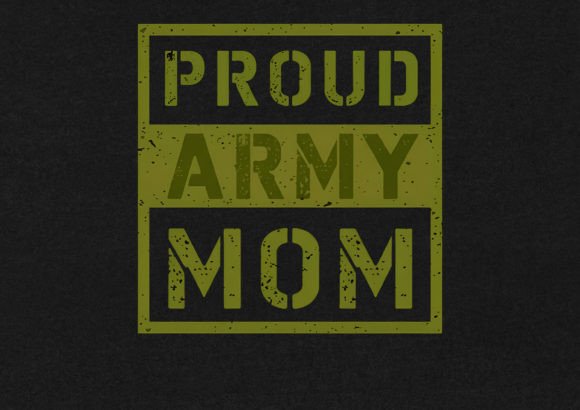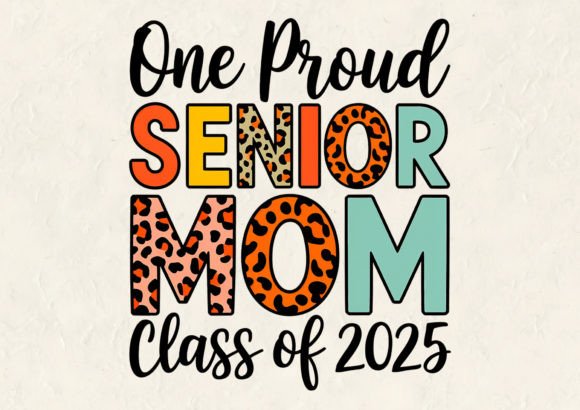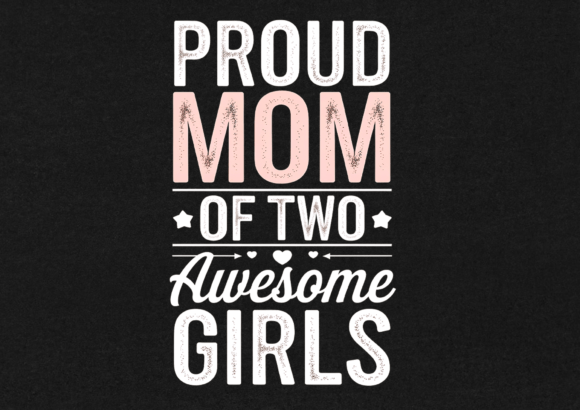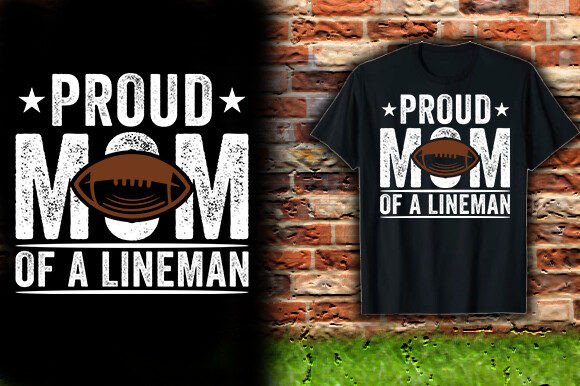
PROUD MOM of a LINEMAN TSHIRT DESIGN
A Designer’s First Look: Warm, Bold, and Built for Meaning
When I opened PROUD MOM of a LINEMAN TSHIRT DESIGN, my first thought wasn’t about stitch count or file format—it was about the feeling it carried. This isn’t just another graphic; it’s a quiet tribute with visual weight. The layout balances strong typography and symbolic elements—think stylized hard hats, subtle power lines, or a confident “PROUD MOM” banner—without overcrowding. As an embroidery designer who’s stitched hundreds of custom pieces for craft fairs, boutique shops, and heartfelt gifts, I immediately saw its potential on a heavyweight cotton tote bag for a lineman’s mom at a local utility appreciation event. That’s where this design lives best: in real hands, on real garments, carrying real pride.
Where It Shines in Embroidery Projects
PROUD MOM of a LINEMAN TSHIRT DESIGN translates well to machine embroidery when treated as a bold, mid-detail graphic—not a fine-art illustration. On sweatshirt embroidery? Excellent. The lettering holds up cleanly in satin stitch, especially with moderate kerning and solid stroke weight. For embroidered patches, it works beautifully as a standalone applique design: clean outer edges, minimal interior detail, and generous negative space around key phrases let stabilizer do its job without puckering. I recently tested a version on a twill apron for a small shop owner whose husband is a lineman—the result felt professional, warm, and instantly recognizable. It also reads clearly on baby embroidery (think onesies or bibs) when scaled down to 3.5–4 inches wide, as long as the font remains legible and avoids thin serifs.
This design naturally fits holiday embroidery, personalized gifts, and small shop merchandise—especially for audiences who value authenticity over trend-chasing. It’s not flashy, but it’s trustworthy. Etsy sellers will find it resonates strongly in search terms like “lineman mom gift” or “utility worker apparel,” and its straightforward theme helps boost buyer engagement without needing heavy copywriting.
Where to Proceed with Care
That said, PROUD MOM of a LINEMAN TSHIRT DESIGN isn’t universally flexible. On stretchy fabric—like performance tees or lightweight knits—tight satin-stitched lettering can distort if stabilizer choice or hooping isn’t precise. Likewise, dense fill stitch areas (if present in the original graphic) may cause stiffness on baby embroidery or delicate pillow covers. Always test on scrap fabric first, especially with textured fabrics like terry cloth or fleece, where stitch definition blurs easily.
Curved surfaces—caps and structured hats—require extra attention. If the design includes horizontal banners or long text blocks, they’ll compress or skew unless digitized specifically for cap hoops. And while it reads well on light fabric, check contrast carefully on dark fabric: some versions may rely on white underlay or specific thread colors that aren’t included in the base file. If you’re planning commercial embroidery or selling finished products, confirm whether the digital embroidery file includes alternate colorways or black-and-white mockup versions—these are essential for previewing how the design lands across product types.
Practical Notes Every Embroidery Designer Should Keep Handy
- Test before committing: Run a sample on your target fabric + stabilizer combo—even if it’s just one letter or icon from the design.
- Check stitch density: Overly dense areas risk thread breakage or fabric damage on lightweight materials. Adjust if needed for baby embroidery or tea towels.
- Confirm hoop size: Most versions of PROUD MOM of a LINEMAN TSHIRT DESIGN fit comfortably in a 4x4 or 5x7 hoop—but verify before digitizing or resizing.
- Inspect small details: Tiny icons (like tiny tools or stars) may vanish at smaller scales. Simplify or omit if stitching for caps or toddler items.
- Review licensing: Since this falls under T-Shirt Designs and Graphics, clarify usage rights before selling finished embroidered goods or bundling as design assets.
- Use proper stabilizer: Tear-away works well for stable cottons; cut-away adds durability for stretchy or frequently washed items like kitchen towels or personalized gifts.
How It Shapes Perception—and Why That Matters
In a craft business, every embroidered patch, tote bag, or sweatshirt is more than a product—it’s a signal of care, credibility, and connection. PROUD MOM of a LINEMAN TSHIRT DESIGN strengthens handmade presentation because it feels intentional, not generic. Customers notice when lettering is evenly spaced, when satin stitches flow smoothly, and when symbolism supports rather than distracts. That builds trust. It also boosts giftability: a well-executed version on a cozy hoodie or embroidered blanket becomes a keepsake—not just merch. For Etsy sellers and small shop owners, that emotional resonance directly impacts reviews, repeat orders, and word-of-mouth referrals.
Brand consistency stays intact, too. Unlike overly trendy graphics that date quickly, this design leans into timeless values—pride, service, family. That makes it easier to extend across product lines: a matching embroidered patch for a tool belt, a simplified version for a baby onesie, or a monochrome variant for a holiday embroidery collection.
Final Thought: A Design That Earns Its Place
PROUD MOM of a LINEMAN TSHIRT DESIGN isn’t the flashiest file in your library—but it might be one of the most dependable. It’s built for clarity, rooted in real-life sentiment, and adaptable across custom apparel, embroidered patches, and thoughtful handmade products. Whether you’re prepping for a craft fair, fulfilling a client request, or building a seasonal collection, treat it like a solid foundation: test it, tailor it to your fabric and machine, and let its sincerity speak through the stitches. That’s how great embroidery design works—not by shouting, but by showing up, clearly and kindly, exactly where it’s needed.