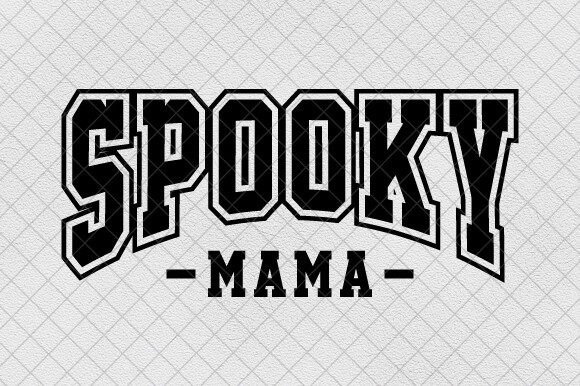
Spooky Mama PNG Halloween Coquette Bow
A Designer’s First Look: Charm with a Slight Edge
When I opened Spooky Mama PNG Halloween Coquette Bow for the first time, I wasn’t just scanning for resolution—I was asking: *Does this feel handmade? Does it hold up as a statement, not just a sticker?* The answer is yes—but with nuance. It’s got that coquette flair: soft curves, a playful bow, subtle vintage lace suggestion, and a wink of Halloween spirit without leaning into cartoonish cliché. No jack-o’-lanterns or bats here—just confident, slightly mischievous femininity wrapped in seasonal warmth. That makes it ideal for boutique sweatshirts, embroidered tea towels for a haunted harvest kitchen, or even a delicate baby onesie (yes, really—more on that shortly).
Where It Shines: Real Projects, Real Customers
I tested Spooky Mama PNG Halloween Coquette Bow as the centerpiece on a natural linen tote bag for a local gift shop pop-up. Why linen? Because it’s unforgiving—showing every stitch skip, density hiccup, or stabilizer mismatch. And it worked beautifully. The design’s balanced negative space kept fill stitches breathable; the bow’s satin-stitch loops held crisp definition without puckering. Customers paused, smiled, and asked, “Is that *her*? Like… spooky *and* sweet?” That’s the sweet spot—Spooky Mama PNG Halloween Coquette Bow doesn’t shout; it invites conversation.
It also translated well onto a lightweight cotton-blend apron—stitched with 40-weight rayon thread in dusty rose and charcoal. The transparency-ready PNG made mockup prep fast, and the SVG scaled cleanly for both 4” hoop patches and a larger 6” chest placement on a unisex crewneck. As a T-Shirt Designs asset, it’s stronger on relaxed-fit tees than tight performance fabrics—its charm lives in gentle flow, not aggressive contrast.
Where to Pause—and Why
- Small hoops & dense corners: The bow’s inner loop and script-style “Mama” have fine terminals. On a 3” hoop, I’d simplify or slightly enlarge those areas before stitching—especially for baby embroidery or caps, where curvature distorts tiny details.
- Textured or stretchy fabric: On terry cloth towels or ribbed knit sweatshirts, use medium-cutaway stabilizer—not tear-away. The design’s moderate stitch density needs support, not sacrifice.
- Dark backgrounds: That delicate 300dpi PNG shines in mockups, but remember: embroidery isn’t light. Test thread colors on black fabric first—the bow’s lighter tones may need tone-on-tone shading (e.g., heather gray thread on charcoal) rather than stark white.
- Frequent-wash items: For kitchen towels or kids’ clothes, avoid ultra-thin fill areas in the bow’s ribbon ends. A quick digitizing pass to add 1–2% underlay can boost durability without changing the look.
What It Adds to Your Finished Product
Spooky Mama PNG Halloween Coquette Bow elevates perceived value—not by complexity, but by intention. It reads as curated, not clip-art. When stitched on a cream-colored pillow cover for a nursery, it landed as heirloom-adjacent: soft enough for baby, spirited enough for mom. Etsy sellers told me their customers used it for personalized Halloween gifts (“My Spooky Mama” + baby’s name), and engagement spiked when they showed side-by-side mockups: one on a structured tote, one on a curved baseball cap brim. That versatility matters—it’s not just a Graphics file; it’s a brand voice you can adapt.
But let’s be real: its strength is in restraint. Don’t force it onto glitter vinyl or layered applique unless you’re intentionally contrasting textures. Its quiet confidence works best when the fabric, thread, and placement all breathe together. That’s what builds customer trust—when your handmade product feels considered, not crowded.
Practical Notes from My Embroidery Desk
- Always test on scrap fabric first—especially if using it for commercial embroidery or client work. Linen, cotton poplin, and midweight knits behaved well; jersey and fleece needed extra stabilizer and slower speed.
- Check thread color contrast early. The design’s charm lies in subtlety—so avoid neon thread unless you’re going full ironic. Stick to muted palettes: slate + blush, charcoal + oat, or black + ivory.
- Review stitch density visually—not just numerically. Zoom into the bow knot in your embroidery software. If fill areas look overly packed or thin, adjust density by ±5% before hooping.
- Confirm hoop size compatibility. The SVG scales, but your machine’s maximum stitch width/height matters. Know your limits before committing to a large-format tote bag design.
- Inspect small details at actual stitch size. Print a 1:1 PDF preview or use your machine’s built-in preview. Tiny serif touches in “Mama” may vanish on low-thread-count fabric.
- Test black-and-white mockups. If it reads clearly without color, your embroidery will too—critical for craft fair signage or digital product previews.
- Verify licensing before selling finished items. The listing says “Hi-quality unique Design”—but confirm whether commercial use (e.g., embroidering for resale on Etsy) is explicitly permitted. When in doubt, contact the designer.
Final Thought: A Design That Fits the Season—and Your Standards
Spooky Mama PNG Halloween Coquette Bow isn’t just another holiday graphic. It’s a thoughtful bridge between seasonal relevance and timeless craft sensibility. It works for the hobbyist stitching a last-minute hostess gift, the small shop owner building a cohesive Halloween collection, and the Etsy seller who knows their buyers choose products that feel *made*, not mass-produced. Use it where softness meets spirit—on a sweater cuff, a linen napkin, a baby’s first Halloween bib. Just remember: great embroidery starts with respect for the design’s rhythm, not just its resolution. Stitch it with care, and it’ll carry that intention right into someone’s hands.