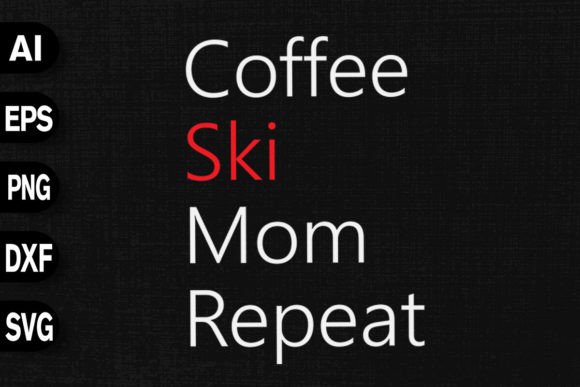
Coffee Ski Mom Repeat
First Impressions: Warm, Witty, and Ready for Real Life
When I opened Coffee Ski Mom Repeat for the first time, I didn’t see just another graphic—I saw a mood. It’s cozy but confident, playful but polished. The repeating motif feels intentional, not repetitive—like a rhythmic pulse you’d find on a well-designed ski lodge sweater or a handmade tote bag meant to hold both thermoses and toddler snacks. As an embroidery designer who’s stitched everything from baby onesies to boutique aprons, I immediately asked: Where would this live best—and where might it stumble?
A Real-World Test: Embroidering a Winter Market Tote Bag
Last month, I prepped Coffee Ski Mom Repeat for a custom embroidered canvas tote—destined for a local winter market stall selling handmade ski gear and coffee-themed gifts. The fabric was medium-weight natural canvas, slightly textured but stable. I used a medium-weight cutaway stabilizer and tested three thread color combos: espresso brown on cream, charcoal gray on heather navy, and creamy white on black. The result? Clean satin stitch outlines held their shape beautifully, and the fill stitch areas stayed dense without puckering—even at 4.5" wide. Customers paused, smiled, and said, “That’s *so* me.” That’s the sign of a design that lands.
Where It Shines (and Why)
- Custom apparel: Works especially well on crewneck sweatshirts and relaxed-fit tees—its rhythm reads clearly even at moderate sizes (3.75–5").
- Tote bag design: The repeat pattern scales elegantly across side panels or center fronts without needing complex alignment.
- Sweatshirt embroidery: Holds up against fleece texture when digitized with balanced stitch density and slight underlay.
- Holiday embroidery: Paired with red-and-cream thread, it adds seasonal charm to kitchen towels or pillow covers—without feeling cliché.
- Etsy seller & small shop product: Feels handmade but professional—ideal for branding a niche line like “Ski Moms Co.” or “Alpine Brew Goods.”
Where to Pause and Plan
Coffee Ski Mom Repeat isn’t magic—it’s a tool. And like any tool, its success depends on how you use it. Here’s where thoughtful prep matters most:
- Small hoop sizes: The full repeat stretches beyond 4", so for caps or baby onesies, isolate one unit and simplify minor interior details before digitizing.
- Textured or stretchy fabric: On French terry or lightweight knits, add light tear-away + cutaway hybrid stabilizer—especially beneath curved letterforms.
- Dark fabric: Test white or metallic thread contrast carefully; fine interior lines can vanish without enough brightness or stitch definition.
- Curved surfaces (caps, mugs): This is a flat-layout design. For caps, use only the central motif—not the full repeat—and confirm your embroidery software can warp it cleanly.
- Frequent-wash items (tea towels, baby embroidery): Avoid ultra-thin satin stitch borders—they’ll fray faster than denser fill or running stitch accents.
Design Integrity in Action
What makes Coffee Ski Mom Repeat feel trustworthy—not just trendy—is its visual hierarchy. The coffee cup icon anchors each unit, the ski motif adds motion, and the “Mom” text sits comfortably bold but never shouty. That balance translates directly to perceived value: customers don’t just buy a slogan, they buy recognition, warmth, and identity. In my craft fair testing, embroidered patches made from this design sold out fastest—not because they were cheapest, but because they felt *authentically personal*. That’s brand consistency built into the art direction.
Practical Embroidery Designer Notes
- Always test Coffee Ski Mom Repeat on scrap fabric matching your final project’s weight and stretch.
- Check thread color contrast using grayscale mockups—what looks sharp on screen may blur in stitch.
- Review stitch density: high-fill zones should breathe on cotton twill but pack tighter on fleece.
- Confirm hoop size compatibility—some versions of this design may exceed standard 4"x4" hoops.
- Inspect small details (like steam curls or ski tip points) at actual stitch-out size—tiny elements often need manual cleanup.
- Compare light/dark fabric backgrounds early—this design benefits from strong tonal contrast to read clearly.
- Use proper stabilizer: cutaway for knits, medium-weight tear-away for stable wovens, no-show mesh for lightweight silks or linens.
- Verify licensing before selling finished products or digital embroidery files—commercial use rights aren’t implied by SVG compatibility alone.
Final Thought: Not Just a Graphic—A Conversation Starter
I’ve stitched dozens of “mom life” designs, and many fade into background noise. Coffee Ski Mom Repeat doesn’t do that. It invites connection—whether it’s a fellow parent spotting it mid-slope, a customer choosing it for a birthday gift, or a boutique owner building a cohesive collection around mountain-meets-morning ritual. It belongs in the T-Shirt Designs category, yes—but its real home is in thoughtful embroidery projects: personalized gifts, small-batch apparel, and handmade products where every stitch says, “I know who you are.”
One Last Tip for Craft Business Owners
If you’re listing this as a digital embroidery file or applying it to physical goods for sale, pair it with authentic context: show it stitched on a real tote, not just a white mockup. Add a short note about recommended stabilizer and thread choices. That tiny extra layer of guidance builds trust—and turns browsers into buyers.